What I’m working on
My current projects and the rabbit holes they’ve led me down.
Maitha
A magic realism historical novel.
This novel is also set in the early Bronze Age, among the Umm al-Nar culture. It’s the story of a young woman juggling where she fits in the world and how to balance expectation and freedom.
Hear about it first →“Who is she? How did she become who she is?”
When I started writing Mother of Fire, I had a plan for the characters: who they were, how they would behave, and what would happen to them. But as I went deeper and their personalities emerged, they began to steer the plot, taking it to places I never expected. It was as if these fictional people had become my partners in the writing.
One of them was a minor character. She never had a big role, but something about her fascinated me. Even after I finished the draft and moved on to editing, she stayed with me, more than some of the main characters did. I kept asking myself: Who is she? How did she become who she is? What is her story beyond her part in the novel?
That’s what led me to write Maitha.
The landscape of the region plays a strong role in my work, and I’ve always had a close relationship with the sea. I know the temperature of the water and the salt on my skin, and how both change with the seasons. I know its fish and creatures, the feel of the sun, and the seaweed and seagrass that brush past you. I know the fear of swimming at night and the joy of finding a new beach.
When we enter places like the sea, the desert, or a forest, they stop being a backdrop. They develop something close to a personality that you can sense. You know who they are, you respect them, and it feels as though they’re aware of you.
At first, you feel like a guest: a guest at the beach, a guest in the woodland. But the more time you spend there, and the more you notice the little details and peculiarities, the more you start to feel at home, until you reach a point where you feel that you are a part of them.
Writing about the sea was a lot of fun for me, an almost emotional experience.
I hope to share her story with you one day.
Mother of Fire
A historical fantasy novel.
The novel is set in the early Bronze Age Arabia among the Umm al-Nar culture. It’s a story about ordinary people trying to take control of their lives, and the extraordinary things that happen to them whenever the gods get involved.
Hear about it first →“Umm al-Nar means Mother of Fire. I don’t believe that’s a coincidence.”
Mother of Fire is my debut novel. I’ve been working on it in one form or another since my twenties, and the idea of its current form started more than a decade ago.
At the time, I worked at the Abu Dhabi Crown Prince Court, and every now and then we’d get external lectures unrelated to policy. My favorite was a talk by Dr. Peter Magee, an archaeologist who is now the director of the Zayed National Museum in Abu Dhabi. He presented his findings on an obscure early Bronze Age people known as the Umm al-Nar, who lived in what is now the UAE and Oman.
One detail stuck with me. Their communities buried their dead together in a shared tomb, and those tombs were at the center of the villages, not on the outskirts. What at first seems like a fluke of design reveals a lot about how these people thought about death, family, and community.
The chief deity of those people was a sun goddess named Shamas (or Shams). This name has since become the Arabic word for the sun. One of her temples was discovered on an island in Abu Dhabi called Umm al-Nar, which means Mother of Fire in Arabic. I don’t believe that’s a coincidence. My theory is that the name is a tribute to the goddess. Her worship died out long ago, but the name stuck.
Ever since Magee’s talk, I’ve been inspired to explore what are, in effect, some of my earliest ancestors. Almost nothing has been written about them in fiction, and very little in nonfiction. I wanted to tell their story (with a bit of poetic license). I’ve been researching them for years. When I still worked in government, I didn’t have much time or energy to write. Since leaving, I’ve focused on my craft and developed the story.
My novel is my tribute to my ancestors, an ode to where I’m from, and an invitation to explore my heritage.
Research Rabbit Holes
I take the research behind my writing seriously, and it often leads me down long, winding rabbit holes: niche topics and tangents that can eat up hours, if not days. Much of what I find is fascinating, but I can’t fit all of it into my writing. So this is where I’ll share some of the most interesting finds, for anyone who wants to dig a little deeper.
Read the field notes →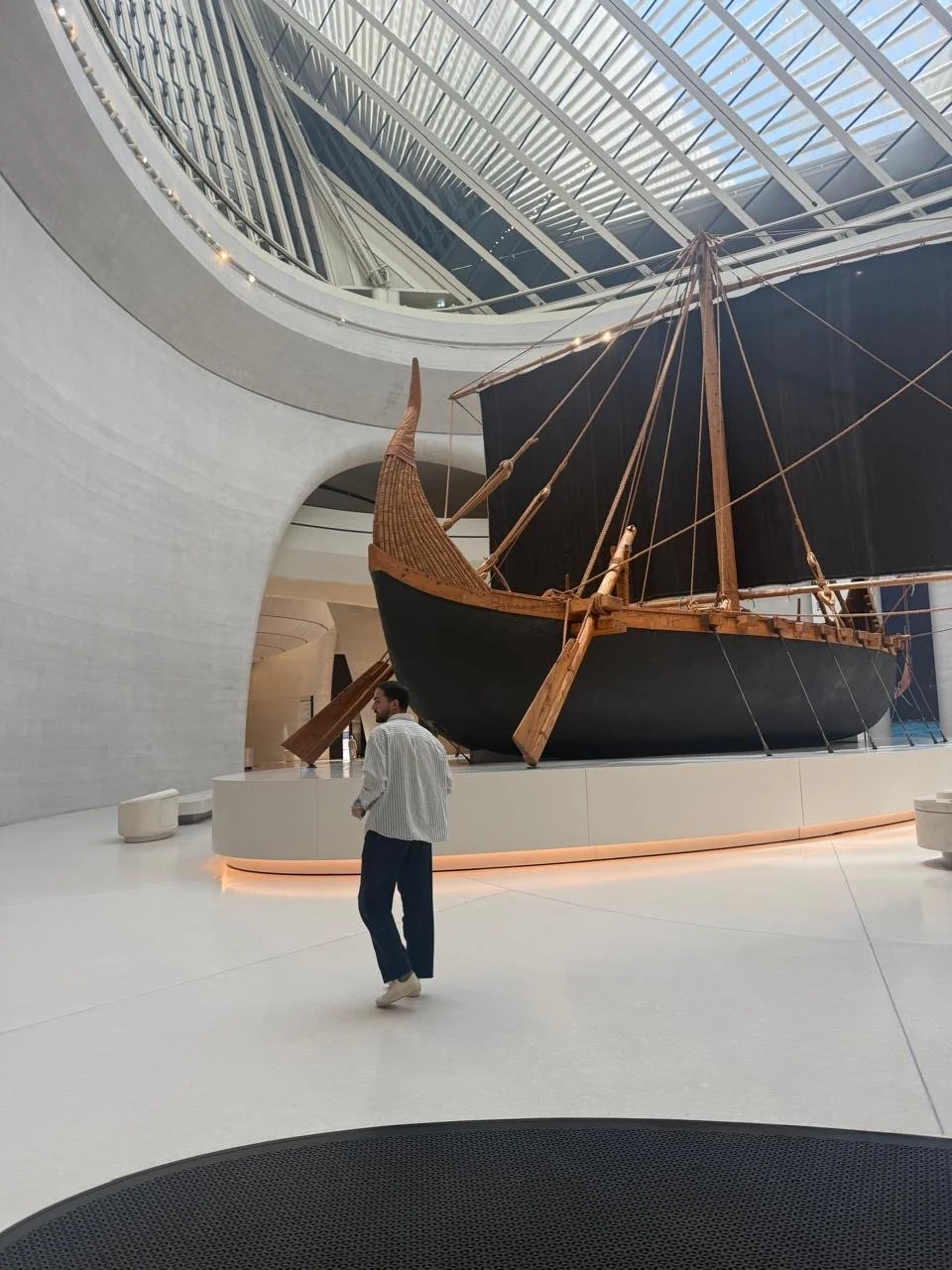
Bronze Age Near East
This is the earliest period of our civilization, when the first cities were emerging and formal political and religious structures were being codified. It was a time of expanded agriculture, metallurgy, and husbandry: a defining leap in our shared civilization.
Latest note But how did they get enough water? Read the notes →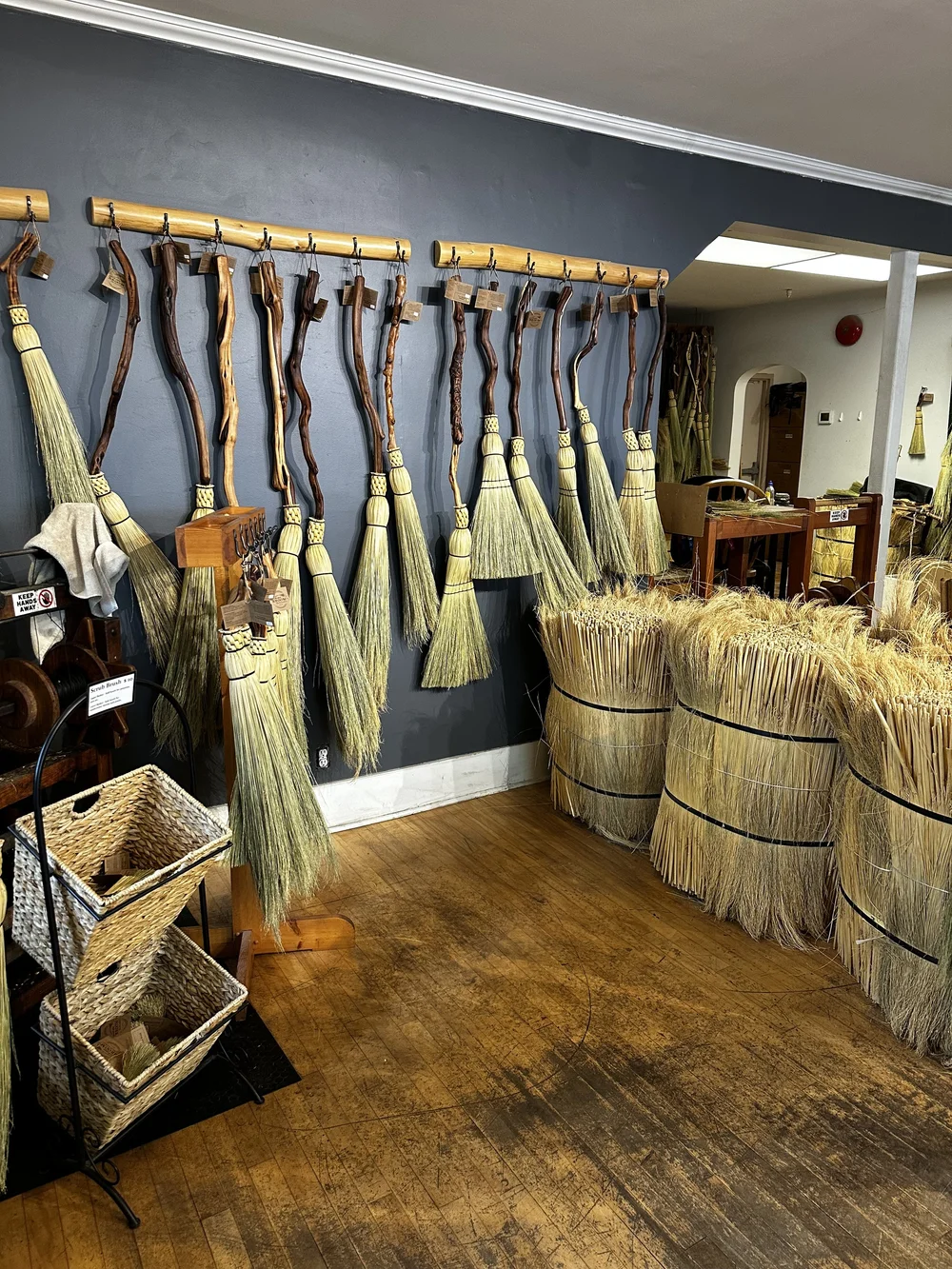
Mythology and Magic
Gods, monsters, and folk wisdom. Mythology and culture have an intimate relationship with a people’s shared subconscious. Beyond the stories themselves, I’m interested in why certain myths develop among certain peoples and what that says about them and their priorities.
Latest note Enlil, Lord of the Wind Read the notes →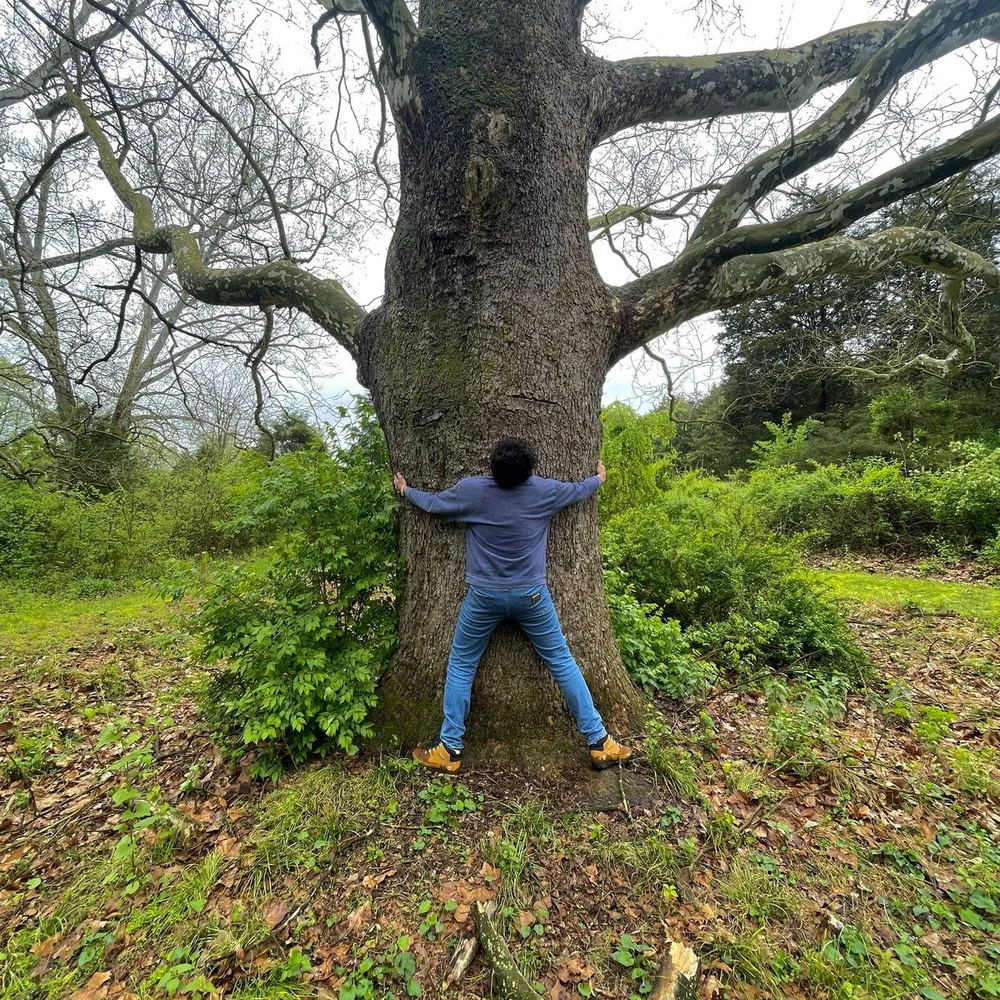
The Natural World
I’m interested in how the natural world influences culture. How much did people learn through observation of the animal kingdom? How much could they develop because they happened to settle in an area where wild grasses produced the earliest grains?
Latest note What did our ancestors eat? Read the notes →