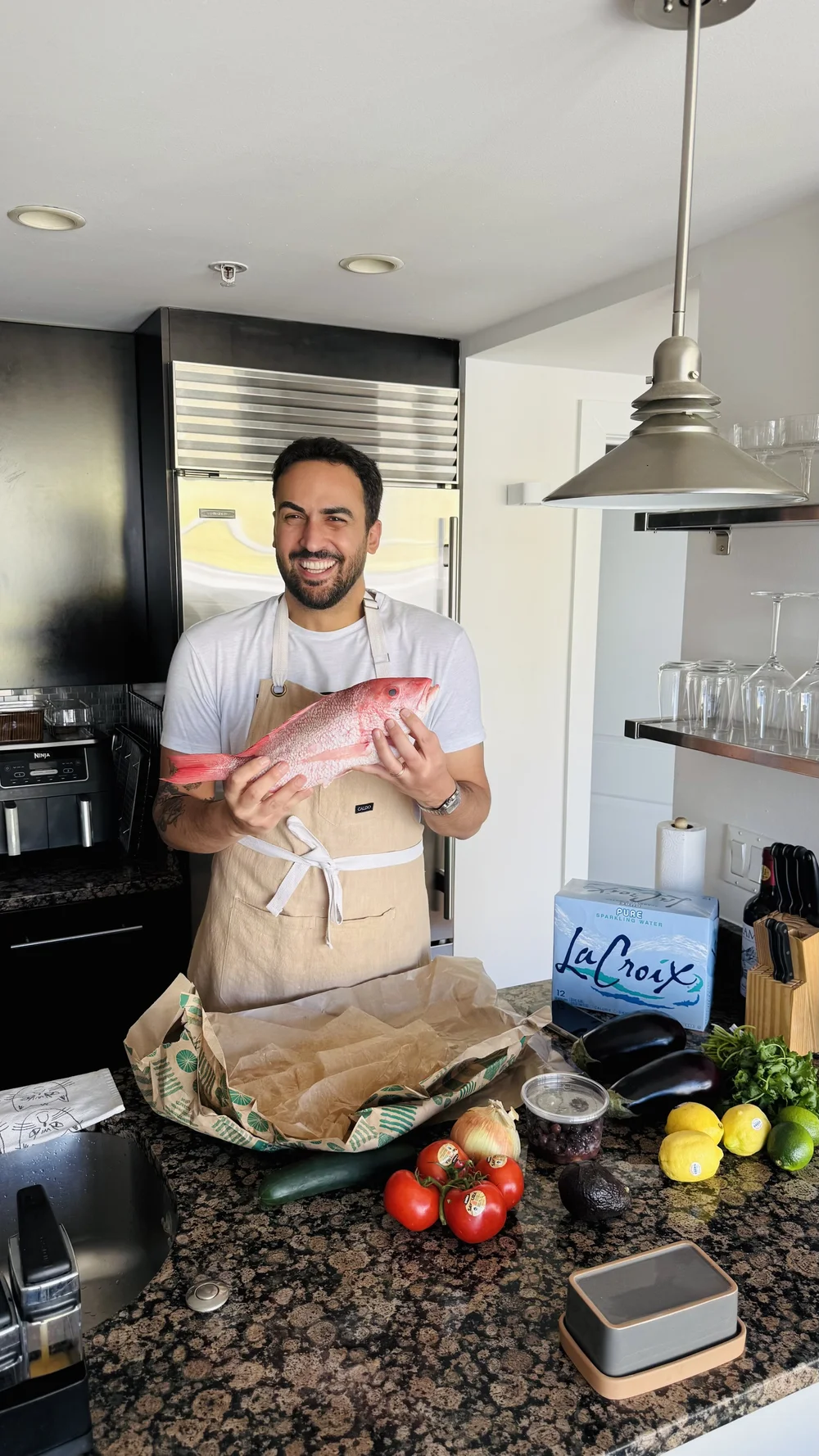
A little more
about me.
I’m a writer fascinated with the myths, history, and the wild places of our world.
I’m of mixed Emirati and Moroccan heritage. I’ve lived in the UAE, Morocco, Switzerland, Canada, and the United States, and I spent a significant amount of time in the United Kingdom. I’ve earned a Bachelor of Arts in Politics, Philosophy, and Economics from the University of British Columbia in Vancouver, Canada, and a Master of Arts in Security Studies from Georgetown University in Washington, D.C. I’ve written extensively on the Middle East and national security issues (more on that below). My passion has always been for fiction, and I’m hoping to share some of those stories with you.
Books that shaped me
For a list of what I’m reading now, check out The Shelf.
The books below have had the biggest impact on me as a fiction writer and as a reader. I read some of them as a boy and others more recently. They’re what I call my must-read list: the books I would recommend to anyone getting into reading or looking to expand what they read.
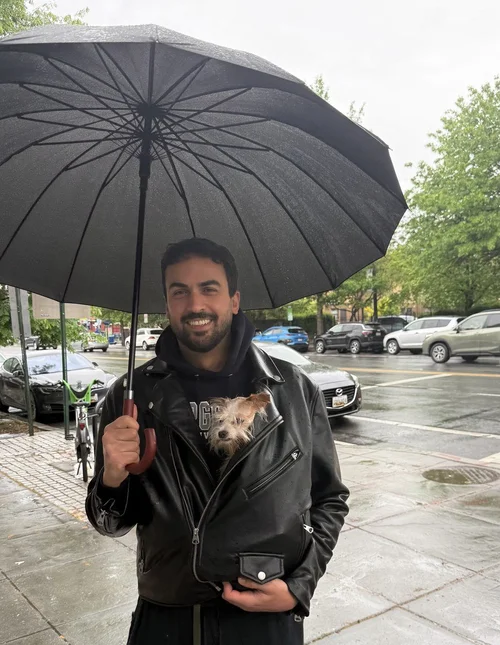 Rainy days in D.C.,
with Hideous.
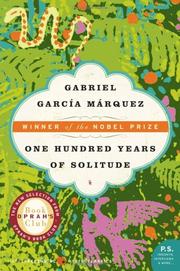
I got into this book relatively young. I remember I first read it one summer in Morocco, and there was just something about the prose, about the way supernatural elements were introduced so naturally (that hallmark of magic realism), that I had never come across before.
I started it again the moment I finished, and I’ve read it seven times since. Gabriel García Márquez is by far my favorite author; his command of language is both humbling and inspiring.
Buy on Bookshop →
I was introduced to this book through my English literature class in boarding school. It was the first time I read a book so honest in presenting the complexity of human morality, and which used biblical allegory so masterfully in its structure.
Analyzing this book was an absolute pleasure. I only read it once, in high school, but it has stayed with me ever since. Thanks to this book, I’m very careful about overarching structure when I write.
Buy on Bookshop →
This was the first book I had read by an Arab author, and it showed me how much I’d been missing.
The novel is a window into Egyptian society presented in a very honest, uncensored way. The author’s technique in showing decay over time is superb.
Since reading this book, I’ve sought out literature from writers of as many different cultures as possible.
Buy on Bookshop →
This is the more recent one. I picked it up at an airport without a recommendation or research. I had never heard of Circe before, although I’m a big fan of antiquity.
The way the author instantly got us into the protagonist’s mind was exceptional. I related to her emotionally. I related to her cause. I felt the power of her defiance.
Eventually, as I ended up researching the myths and how they were handled in history, I loved the subversion of the story in a way that makes it deeply human and relatable. This humanizing of something as grand as mythology was very refreshing to read.
Buy on Bookshop →
I started reading this as a challenge. I think I must have been around 15, and I wanted to see if I could get through that massive book. I did not expect to get sucked into a world of society, intrigue, family, and war.
I don’t think I realized it then, but the way the author melds the intimate with the grand is extraordinary. It was also my first taste of military writing, long before I started writing about national security myself.
Tying the characters we met at parties, and their families, into a Napoleonic war I had studied in history class is a feat of storytelling I still look up to.
Buy on Bookshop →
I can’t remember if I read this in high school or in an African literature class in undergrad, but this was the book that got me into African literature. After reading Chinua Achebe, I eventually got into Ben Okri.
There was just something special about Chinua Achebe’s writing: the way he presents his culture without explaining it, without defining it, or excusing it. But he also very much handles change. And yeah, there is a sort of criticism of the colonial impact on native culture, but it’s more than that. It’s about how society evolves and the idiosyncrasies that emerge, how new structures challenge old ones, and how that affects people and how they see themselves in the world.
Buy on Bookshop →
This is the series that got me reading in the first place. I first spotted the books at the Scholastic Book Fair at the Rabat American School in Morocco, when I was seven or eight, and the idea of kids morphing into animals hooked me straight away. Anyone who read them will remember the trick: flip the pages fast enough and you can watch a kid turn into an animal.
I thought Tobias becoming a hawk was the coolest thing ever, and I wished I had his eyesight. Rachel, the one who turned into a cat, was the most beautiful person in the world as far as I was concerned. A bunch of kids who could turn into animals and use them to do … whatever it was they did (I can’t remember) was all it took to pull me in.
It was the first series I ever read. After that came Roald Dahl and other books for my age, then Kipling and some of the easier classics. Once reading felt comfortable, a whole world opened up, and I’ll always be grateful to Animorphs for that.
Buy on Bookshop →The day job
Alongside the fiction, I work as a geopolitical analyst, writing and speaking about the Gulf and the wider Middle East. My essays and commentary appear in outlets like Semafor and the Washington Post, and my work has been cited by the Financial Times, The New York Times and Le Monde. Below is a small sample: a few pieces I’m proud of, where they’ve been picked up, and some conversations on camera.